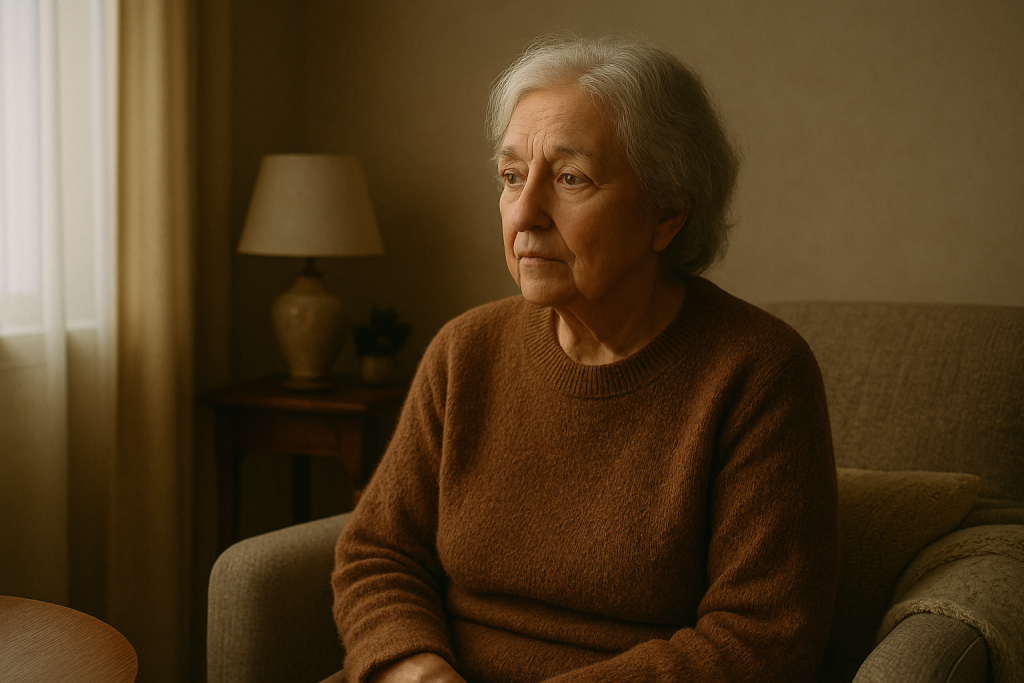
Choosing the right kind of support for an aging loved one can feel overwhelming, especially when balancing their independence with their emotional and social needs. Many families begin exploring in-home companion care services when they notice changes such as increased loneliness, less motivation to stay active, or difficulty managing daily routines alone. At Mehr Care, caregivers often see how the right companion can transform not only a senior’s day-to-day life but also the family’s peace of mind. But how do you know if in-home companion care is the best choice?
This guide walks you through what companion care looks like, when it becomes beneficial, and how to make a thoughtful decision that supports your loved one’s wellbeing.
Understanding What In-Home Companion Care Really Means
In-home companion care isn’t medical care—it’s emotional, social, and practical support delivered right in the comfort of a senior’s home. Companions help with everyday tasks such as conversation, outings, light activity, and household routines, but their most valuable contribution is human presence.
Many seniors experience long stretches of quiet time, especially if mobility is limited or loved ones live far away. Companionship fills this gap with meaningful connection. At Mehr Care, companions often become trusted, familiar faces who bring warmth and stability into a senior’s day.
This type of care is ideal for seniors who don’t require advanced medical assistance but still benefit greatly from social interaction and gentle, everyday support.
Signs Your Loved One May Benefit From Companion Care
Families often wonder when it’s time to consider companion care. Some signs are subtle, while others become increasingly clear over time. You might notice:
• Growing loneliness or social withdrawal
• Reduced motivation to engage in hobbies or physical activity
• Difficulty maintaining routines, such as organizing meals or managing time
• Increased forgetfulness or confusion during unstructured days
• Less communication with friends or family
• Emotional changes, such as irritability, sadness, or low energy
Caregivers at Mehr Care frequently hear families say, “I didn’t realize how much they needed this until I saw the difference.” Companion care often brings comfort, energy, and structure back to daily life.
How Companion Care Improves Quality of Life
Companion care enriches a senior’s wellbeing in ways that are both practical and deeply emotional. Some of the most impactful benefits include:
• Meaningful social engagement through conversation, games, or shared activities
• Emotional reassurance, helping seniors feel less alone
• Support with daily routines, including light household tasks or meal companionship
• Encouragement to stay active, through gentle movement or neighborhood walks
• A stronger sense of purpose, especially when seniors participate in tasks or enjoy familiar hobbies
At Mehr Care, companions often discover unique ways to connect with each individual—whether through music, storytelling, or shared interests. These small moments create deeper trust and a genuine sense of companionship.
Is Companion Care the Right Fit for Your Loved One?
To determine whether this type of support is appropriate, consider a few questions:
• Does your loved one spend most of the day alone?
• Would they benefit from more conversation, routine, or encouragement?
• Are they safe at home but sometimes unsure or anxious?
• Do they seem calmer or happier when someone is around?
• Are family members unable to visit as often as they’d like?
If the answer to any of these feels like “yes,” companion care may offer the balance of independence and emotional support that your loved one needs.
At Mehr Care, families often describe companion care as a gentle lifeline—one that allows seniors to stay in their own homes while still feeling connected, supported, and valued.
Creating a Support Plan That Truly Fits
Every senior has different social preferences, energy levels, and daily patterns. Companion care can be customized to match their unique personality and needs. Some seniors enjoy lively conversation; others prefer quiet company. Some like structured routines, while others thrive with flexibility.
When making a decision, consider involving the senior in the conversation. Their comfort, preferences, and sense of autonomy are essential. Collaborating with caregivers who understand these nuances—like those at Mehr Care—helps ensure the support provided feels natural and respectful.