As seniors age, their nutritional needs naturally change. What once felt effortless—preparing meals, choosing balanced foods, or maintaining regular eating habits—can become more challenging. Yet good nutrition remains one of the strongest foundations for staying active, energized, and emotionally well. At Mehr Care, caregivers often support older adults who want to eat well but need a bit of guidance or encouragement. Understanding the essentials of healthy meal planning for seniors can help families create daily routines that support long-term health and independence.
Meal planning doesn’t need to be complicated. With a few thoughtful strategies, seniors can enjoy nourishing meals that are easy to prepare, satisfying, and supportive of their overall wellbeing.
Recognizing the Changing Nutritional Needs of Seniors
As the body ages, metabolism slows, appetite may fluctuate, and certain nutrients become more important than others. Seniors often need more protein, fiber, vitamins B12 and D, calcium, and hydration—yet they may feel less hungry or have difficulty preparing larger meals.
Caregivers at Mehr Care often observe that seniors benefit from smaller, more frequent meals that include nutrient-dense foods. Instead of focusing on portion size, the aim is to ensure each bite contributes to strength, immunity, and energy. Paying attention to appetite changes or digestive concerns can also guide meal choices and preparation styles.
Understanding these shifts helps families create meal plans that feel supportive rather than restrictive.
Building Simple, Balanced Plates
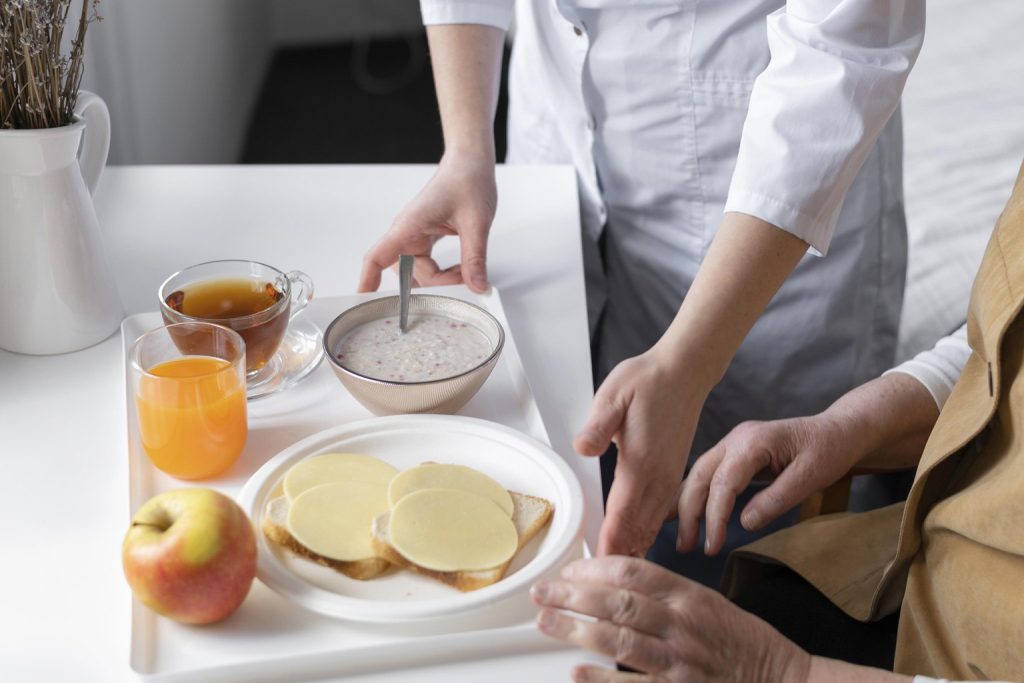
A balanced meal doesn’t require complicated recipes. In fact, simple meals are often the easiest and most enjoyable for seniors. A helpful way to think about meal structure is using three components:
• A lean protein – such as eggs, chicken, tofu, beans, or fish
• A colorful vegetable or fruit – for fiber, vitamins, and hydration
• A whole grain or healthy carbohydrate – like brown rice, oats, or sweet potatoes
Caregivers at Mehr Care often rely on this simple formula because it helps seniors get the nutrients they need without overwhelming them. Small tweaks—such as steaming vegetables instead of frying or choosing softer foods for those with chewing difficulties—make meals both nutritious and practical.
Making Meal Prep Easier and More Enjoyable
One of the biggest barriers to eating well is the energy required to prepare meals. Simple strategies can help seniors maintain independence while reducing the stress of cooking:
• Batch cooking small portions for the week
• Pre-cutting fruits and vegetables
• Using slow cookers or air fryers for easier cooking
• Choosing recipes with five ingredients or fewer
• Preparing ingredients together with a caregiver or family member
Caregivers at Mehr Care often turn meal preparation into a shared activity, which not only makes cooking easier but adds a social element that many seniors enjoy. Even small tasks—like washing vegetables or stirring a pot—can create a sense of involvement.
Incorporating Hydration Into Daily Routines
Dehydration is more common in older adults, often because thirst signals become less noticeable. Adding hydration into meal planning ensures seniors stay healthy and energized.
This can include:
• Herbal teas
• Broth-based soups
• Water-rich fruits like oranges or berries
• Hydrating vegetables like cucumbers or tomatoes
Caregivers often remind seniors to sip fluids throughout the day, making hydration feel natural rather than forced.
Respecting Food Preferences and Cultural Traditions
Food is deeply personal. Seniors often feel more connected and comforted when meals reflect their preferences, cultural traditions, or long-loved flavors. Meal planning should never remove the foods that bring joy—it should simply shape them into balanced, manageable routines.
At Mehr Care, caregivers often learn about a senior’s favorite dishes—whether it’s a family recipe, a comfort food, or a cultural staple—and adapt those meals in healthier or easier-to-prepare ways. This approach keeps eating meaningful and enjoyable.
Supporting Healthy Eating Through Consistency
Healthy eating for seniors isn’t about perfection; it’s about consistency. Regular mealtimes, simple nutritious foods, and gentle support make a tremendous difference in energy levels, mood, and long-term wellbeing.
Families can build routines at home or involve caregivers who understand how nutrition supports aging bodies. At Mehr Care, these small daily habits often become moments of connection, comfort, and confidence—helping seniors maintain independence while enjoying food that truly nourishes them.